
Simplicity: easy in the pants drawer. Harder in the office.
How difficult can it be to remove complication from the way we work?

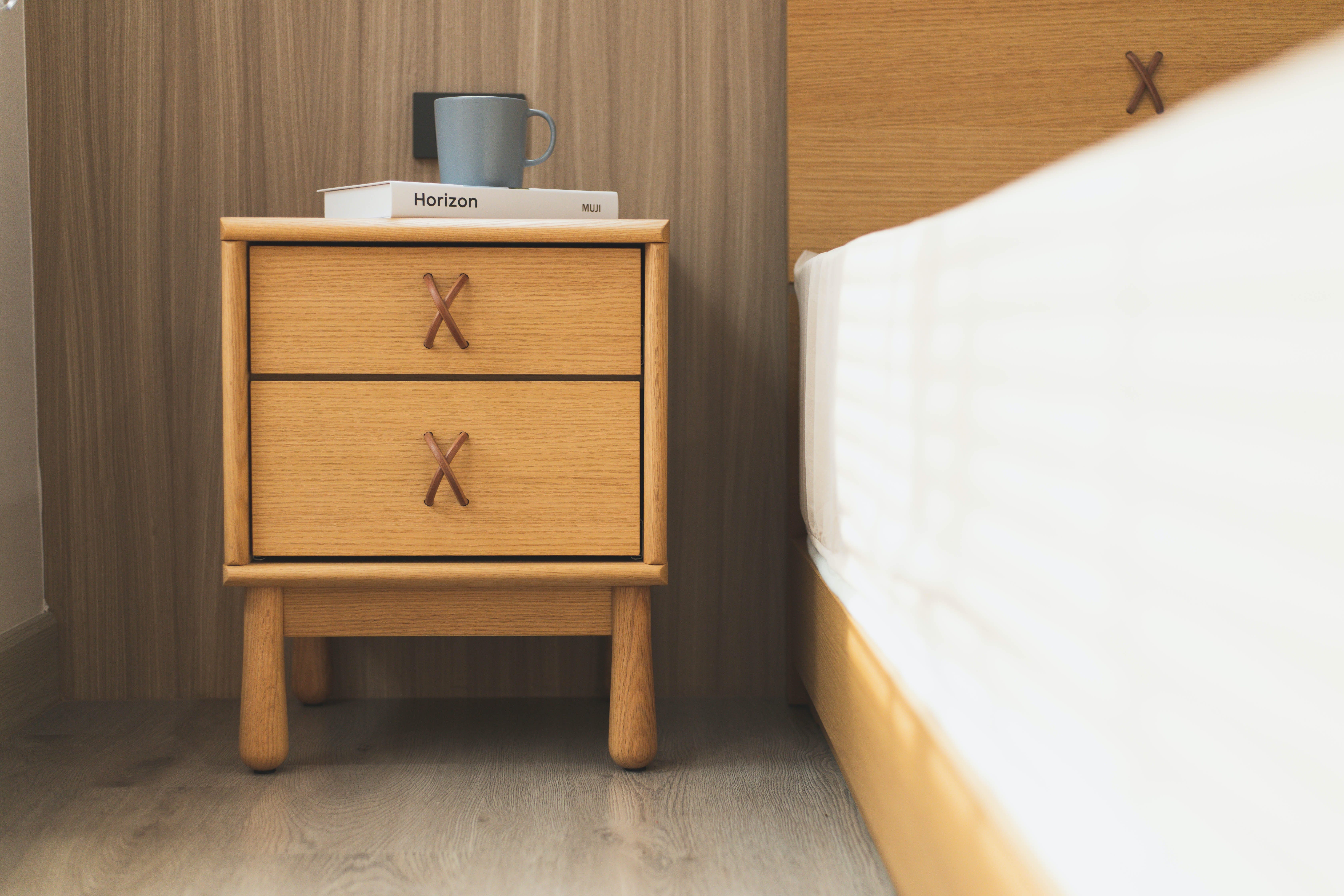
I’m a big fan of Marie Kondo and her radical tidying technique (Konmari), which you will undoubtedly have heard of.
For example, if you want to sort out your clothes, you grab all of them and place them in a big heap.
Then, select each item and, if it ‘sparks joy’, you keep it. If not, you chuck it into a bin liner (refuse sack).
Inevitably, you’re left with a much smaller selection of clothes. And if you use a similar technique on your books, stuff in your garage or even things in your kitchen cabinets, you’ll feel a sense of relief, calm and inner peace.
You will have simplified your home life by tidying. Mess is a form of complication.
But then you leave your domestic paradise and go to the office, where you will encounter a different kind of mess.
The mess probably won’t be visual. Many offices are designed by architects or interior designers and are sleek, uncluttered spaces. Superficially, they spark joy.
No, the mess or complication will be in the way we work.
There is no shortage of digital systems for helping us collaborate, present or organise projects but many of us still feel overwhelmed.
In my opinion, one reason for this is that we are not in control of many situations in the workplace.
Here’s an example: you hate meetings. You would ban them immediately if you had your way. They are unproductive, go on for too long and they usually end up with no clear outcomes.
But you’re not allowed to ban them. It’s not like eliminating clothing that belongs to you. Meetings are rituals or ceremonies (to coin an agile expression) that are embedded into office life, which you are not in charge of.
There are many other examples like this - presentations, emails, project management - and it seems to me that there is probably only one solution.
If we’re not in control of the source of the mess or complication, we need tools to help us simplify the things that we can control.
Simplification usually makes things easier to do. It can save lots of time, eliminate confusion and make us feel happier.
I’ve found a dozen, multi-purpose simplification tools, which I’m exploring in a new Simplicity course.
You can register for a quick preview of the course here on October 30th: https://us06web.zoom.us/meeting/register/tZ0ode2vqD8tGt1-rn7OfecLdrnqFEXuo5h7
Your input will help shape the course and I would appreciate it immensely.
I doubt that the course will make me the Marie Kondo of office life but it’s worth a try.