
Planning when to be distracted.
Seems the wrong way around but it makes sense with Deep Work.

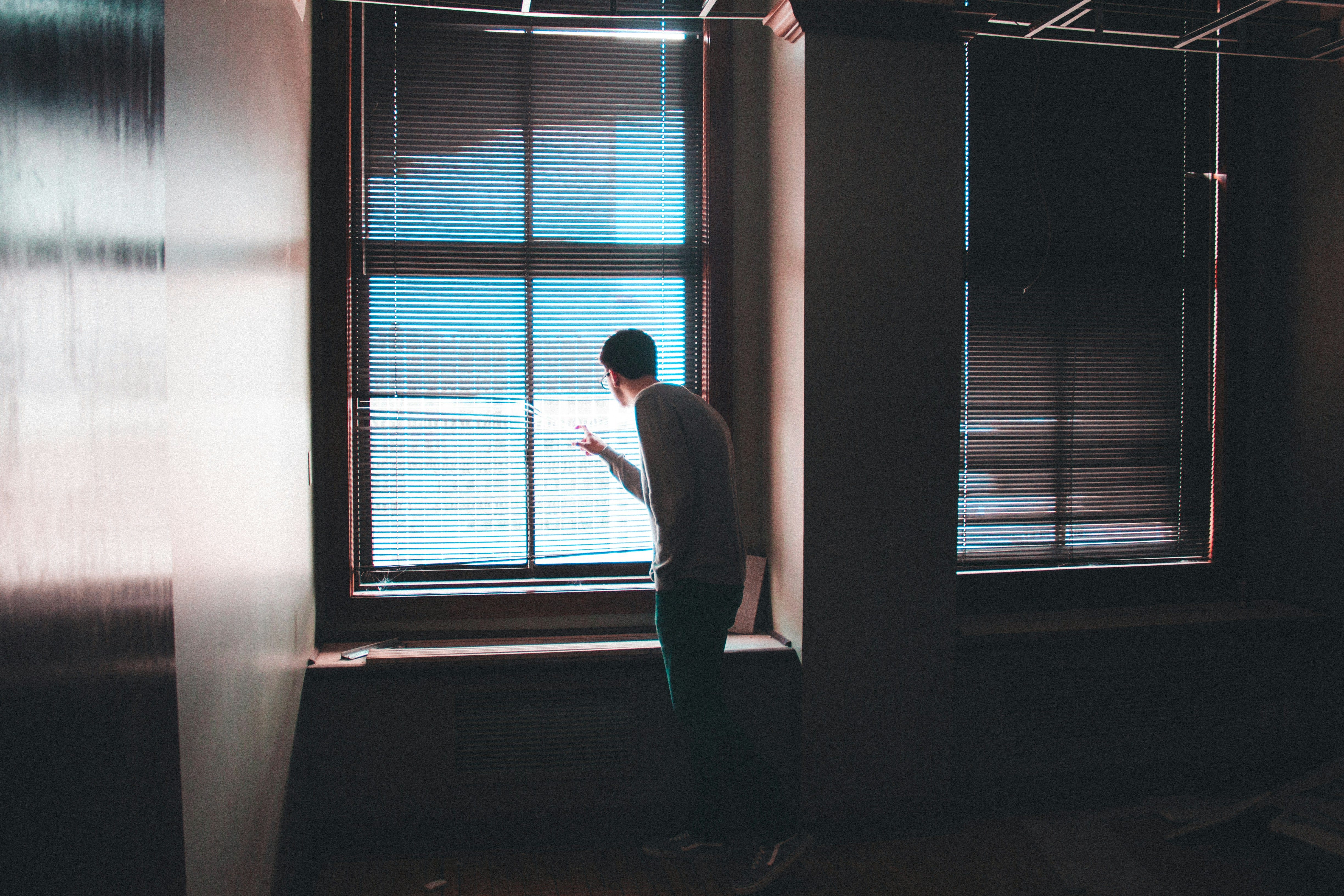
Okay, all the notifications are switched off. There’s not a screen in sight and no pinging of any kind.
And yet, it’s still amazing just how many opportunities my mind creates to be distracted in some way.
Did I put the toilet rolls on the shelf in the bathroom? Was that the postman I just heard? Isn’t it time to put the speakers on the wall brackets instead of the window sill?
All very valid tasks but just excuses for avoiding the difficult work, of course.
So, the trick is to actually tell yourself when you’re going to take some time off the Deep Work and openly do other stuff.
If you really need to check Instagram, check emails (or relocate toilet rolls), you plot the time on your calendar.
At first, this feels counterintuitive. Normally you ring fence special, concentrated tasks, such as meditating or going to the gym. This is allotting time for trivia.
But how much time and when is best?
I think it’s a personal thing but it seems to me that trivial activities should be allowed as a form of reward. So, in order to qualify for the treat, you should do a big slab of work first.
I’ve been working in cycles of 60-90 minutes because it’s the maximum I can cope with (my circadian rhythms are happy with this). So I’ve been giving myself 15 minutes off in between the sessions.
As a side point in the margin, I think you feel either neglectful or pestered or both if you don’t set up an auto responder on email to let people know why you’re not getting back to them straight away. We’ve all got so used to being distracted by email and then feeling the need to respond, pronto.
As the end of the working week draws near, I’m gathering together some conclusions to share.